
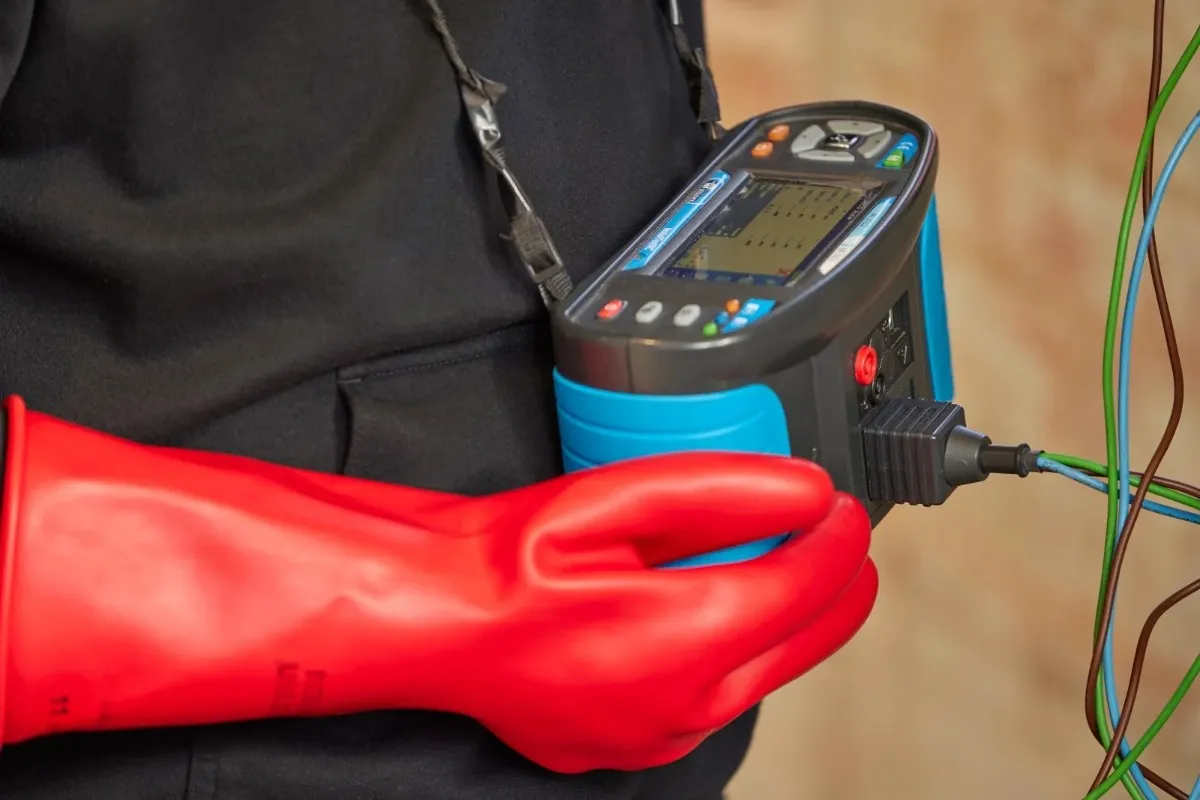
Electrical fault finding helps identify the source of the problem, restore reliable operation, and prevent the same issue from happening again. In this guide, discover the common causes, warning signs, and practical importance of professional electrical fault diagnosis.
Electrical fault finding is a systematic process used to identify problems within an electrical circuit, wiring system, equipment, or connected components. An electrical fault can occur for many reasons. It may be related to damaged wiring, loose connections, overloaded circuits, faulty components, insulation problems, moisture, ageing equipment, or an issue within the power supply. The challenge is that the visible symptom does not always reveal the real cause.
Professional Electrical fault diagnosis can help:
An open circuit occurs when the intended electrical path is interrupted. This may result in equipment failing to operate, lights going off, or part of a system losing power. A broken conductor, disconnected connection, or damaged component can contribute to an open circuit.
A ground fault occurs when electrical current finds an unintended path to ground or earth. These faults can cause protective devices to operate and may indicate insulation damage, moisture intrusion, equipment problems, or issues with connected wiring.
When too much load is placed on a circuit, protective devices may trip or equipment may experience operational problems.
Loose electrical connections can create resistance and unwanted heating. They may occur because of installation issues, vibration, ageing, mechanical stress, or environmental conditions. Signs can include intermittent operation, unusual heat, flickering, or repeated equipment problems.
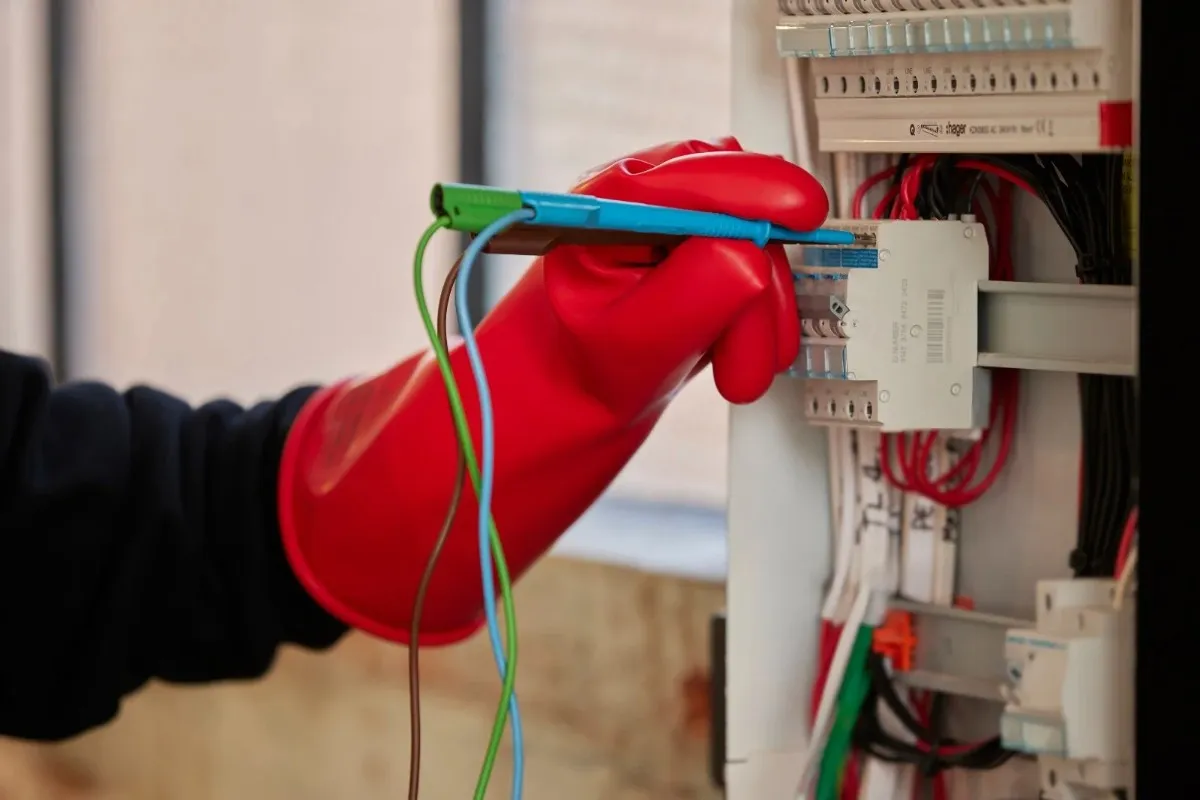
Professional electrical fault finding follows a logical process rather than relying on guesswork. The exact approach depends on the electrical system and the nature of the problem, but it generally involves several stages of electrical Testing.
The first step is understanding what happened.
When did the problem begin? Is it continuous or intermittent? Does it affect one component or multiple parts of the system? Has any equipment recently been installed, moved, repaired, or modified?
A qualified professional may visually inspect relevant components, wiring, connections, protective devices, and equipment for signs of damage or abnormal conditions.
Testing should be performed by a suitably qualified person using appropriate procedures and equipment. The goal is to collect reliable information rather than make assumptions about what caused the problem.
Once information has been gathered, the Technician can work toward identifying the underlying issue. Replacing a failed component may restore operation temporarily, but if another issue caused that component to fail, the same problem could return.
After the fault has been addressed by a qualified professional, the system should be appropriately checked to confirm that it is operating as intended.